
Quick overview
- Botanical name: Sceletium tortuosum
- Common names: Kanna, kougoed
- Family: Aizoaceae
- Parts used: Aerial parts (traditionally fermented)
- Key actions: Anxiolytic, antidepressant, mood enhancer, nervine
Key benefits
- Reduces anxiety and stress
- Enhances mood
- Supports emotional resilience
- Improves focus and cognitive flexibility
- Traditionally used for trauma and fatigue
What is Sceletium tortuosum?
Traditional uses
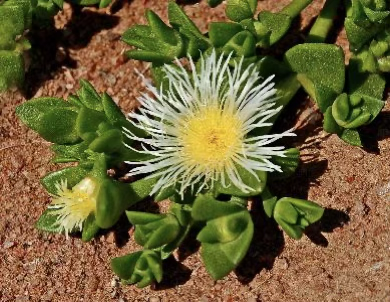
Sceletium tortuosum is a succulent plant native to South Africa, traditionally used by Khoisan peoples as a mood-enhancing and calming herb.
This climbing or creeping plant - Sceletium tortuosum - has been known and used in South Africa for centuries. The Khoisan used the plant and introduced its mood elevating effects to the early colonisers around 1662.
It is typically fermented (“kougoed”) to enhance its psychoactive properties.
The plant is notable for its alkaloid content, which affects the central nervous system, particularly serotonin pathways.
Did you know?
- “Kougoed” means “chewable” or “something to chew” in Afrikaans.
- It has been used traditionally for stress, hunger suppression, and social bonding.
- Modern extracts are being studied as natural antidepressants.
Nervous system
- Anxiety
- Stress
- Depression
- Trauma
Other uses
- Appetite suppression
- Thirst reduction
- Fatigue
Herbal actions
- Anxiolytic
- Antidepressant
- Nervine
- Mild stimulant (paradoxical calming)
- Adaptogenic (functional classification)
How does it work?
Alkaloids (primary mechanism)
- Mesembrine
- Mesembrenone
- Mesembrenol
These compounds:
- Inhibit serotonin reuptake (SSRI-like action)
- Modulate phosphodiesterase-4 (PDE4)
- Enhance mood and reduce anxiety
Research
Anxiolytic and mood effects
Clinical studies show reduced anxiety and improved mood:
https://pubmed.ncbi.nlm.nih.gov/25337918/
Mechanism of action
Demonstrates serotonin reuptake inhibition and PDE4 modulation:
https://pubmed.ncbi.nlm.nih.gov/19531527/
Cognitive and stress response
Improves cognitive flexibility and stress resilience:
https://pmc.ncbi.nlm.nih.gov/articles/PMC3828542/
Active constituents
- Mesembrine
- Mesembrenone
- Mesembrenol
- Mesembranol
Indications
- Anxiety
- Mild to moderate depression
- Stress and burnout
- Cognitive fatigue
- Emotional imbalance
Parts used
- Aerial parts (fermented or dried)
Preparations
- Fermented plant material (traditional)
- Capsules/tablets (standardised extracts)
- Tincture
Dosage
(Highly preparation-dependent)
- Standardised extract: 25–100 mg daily (typical clinical range)
Safety
- Generally well tolerated at recommended doses
Cautions
- Do NOT combine with SSRIs or antidepressants
- Avoid in pregnancy and breastfeeding
- Possible side effects: headache, nausea (mild)
Summary
Sceletium tortuosum is a unique South African psychoactive medicinal plant with growing scientific support as a natural anxiolytic and mood enhancer, acting primarily through serotonin modulation.
References (research & sources)
Honeybush:
Sceletium tortuosum:
https://southafrica.co.za/sceletium-tortuosum-traditional-mood-enhancer.html
- https://pubmed.ncbi.nlm.nih.gov/25337918/
- https://pubmed.ncbi.nlm.nih.gov/19531527/
- https://pmc.ncbi.nlm.nih.gov/articles/PMC3828542/
**Medical & Wellness Disclaimer**
All content provided on this website is for informational and educational purposes only and is not intended as medical advice, diagnosis, or treatment. The information presented is derived from traditional practices, ethnobotanical records, and publicly available scientific research.
Statements about herbal ingredients and products have not been evaluated by regulatory authorities and are not intended to diagnose, treat, cure, or prevent any disease.
Always consult a qualified healthcare professional before using herbal products, particularly if you are pregnant, nursing, taking medication, or have a known medical condition.
The use of any information provided on this website is solely at your own risk. Individual results and responses may vary.