Quick overview
- Botanical name: Pelargonium citronellum J.J.A. van der Walt
- Common names: Lemon-scented pelargonium, citronella geranium
- Family: Geraniaceae
- Parts used: Leaf, aerial parts
- Key actions: Antimicrobial, anti-inflammatory, aromatic nervine, insect-repellent, mild expectorant
Key benefits
- Helps reduce mild microbial load
- Supports respiratory health (via inhalation and traditional use)
- Soothes mild inflammation
- Naturally repels insects
- Gently uplifts mood and reduces tension
- Provides mild digestive support
What is Pelargonium citronellum?
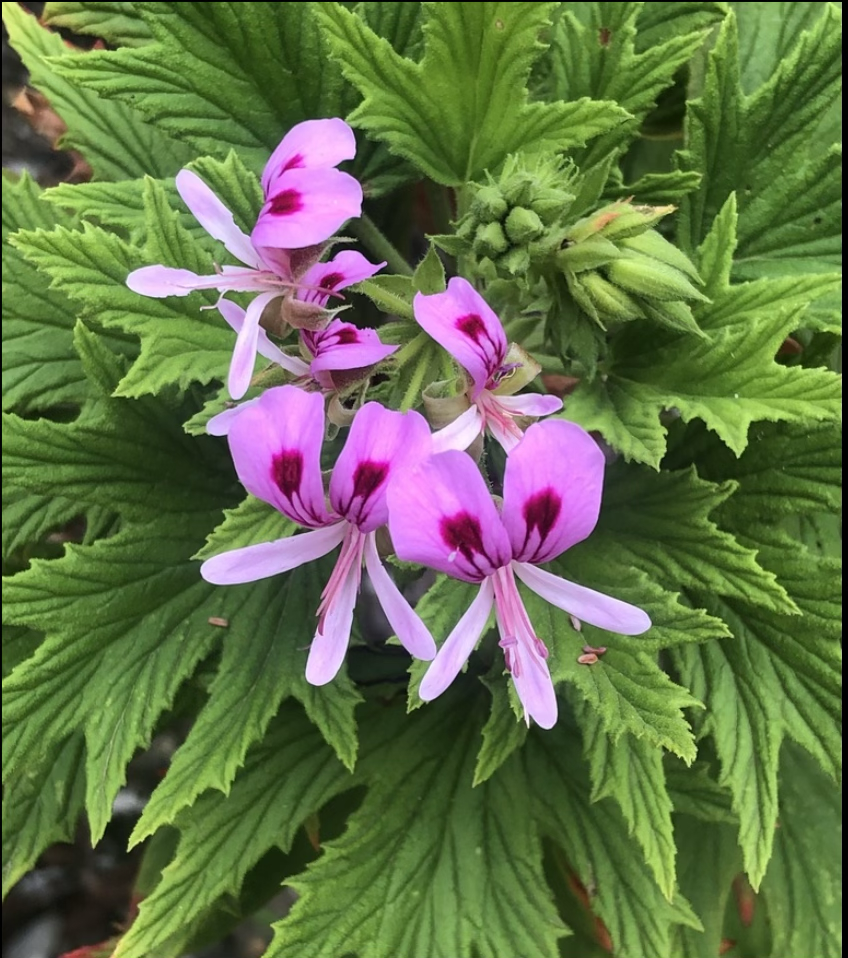
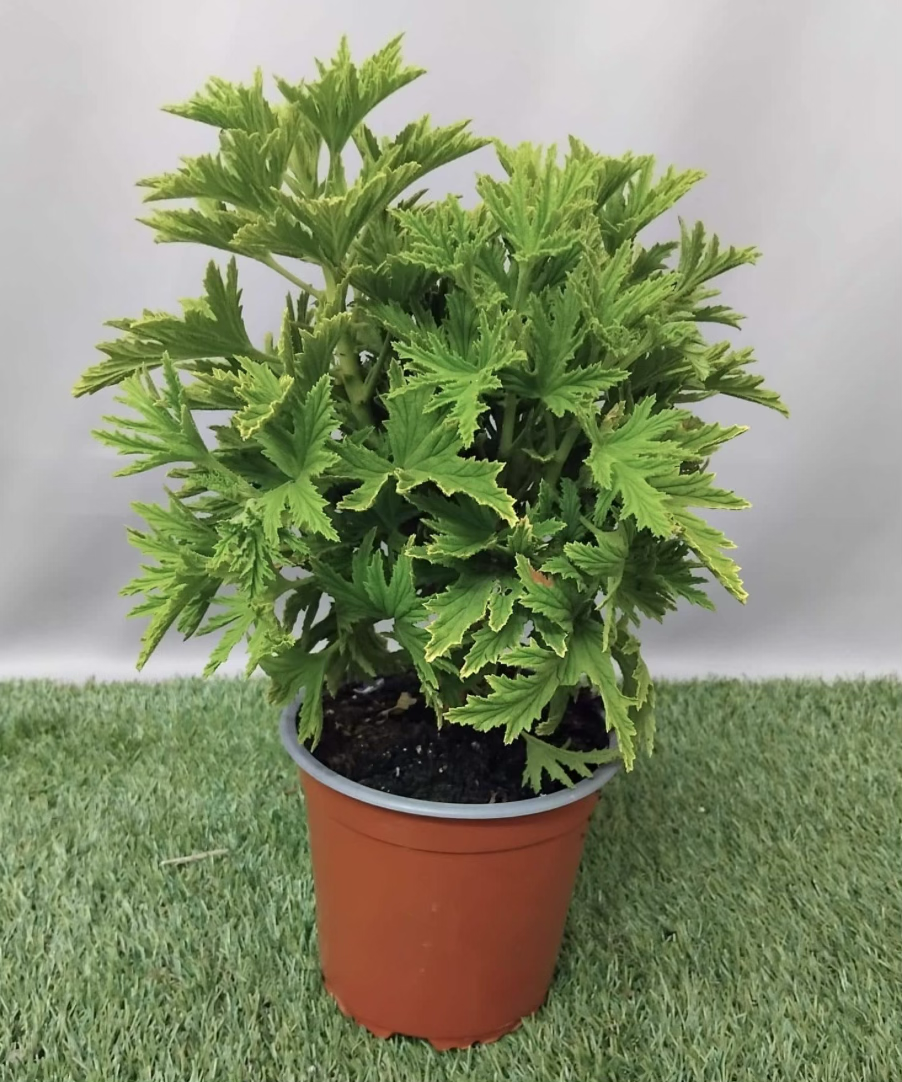
Pelargonium citronellum is a highly aromatic shrub native to the Western Cape of South Africa, known for its strong lemon fragrance and soft, textured leaves.
It belongs to the Geraniaceae family, a group of plants rich in volatile oils, tannins, and flavonoids, many of which have traditional medicinal uses.
Although P. citronellum itself is not as extensively studied as some relatives, it shares a phytochemical and therapeutic profile with better-researched species such as:
- Pelargonium sidoides (respiratory medicine)
- Pelargonium graveolens (rose geranium, aromatic and dermatological uses)
Did you know?
- Despite its name, this plant is not true citronella (which comes from Cymbopogon species).
- Southern Africa is the global centre of diversity for Pelargonium species.
- Extracts of related species (P. sidoides) are used in modern phytomedicine for bronchitis and upper respiratory infections.
Traditional uses
While direct ethnobotanical records for P. citronellum are limited, its uses can be inferred from traditional applications of the genus:
Respiratory system
- Colds and flu
- Coughs
- Bronchial irritation
Digestive system
- Diarrhea
- Mild gastrointestinal discomfort
- Colic
Skin & topical use
- Minor wounds
- Skin inflammation
- Aromatic washes
Other traditional uses
- Insect repellent
- Mild calming herb
In southern African herbal traditions, Pelargonium species are used for:
- Respiratory infections, gastrointestinal disorders, and microbial conditions
https://pmc.ncbi.nlm.nih.gov/articles/PMC7127097/
Herbal actions
- Antimicrobial
- Anti-inflammatory
- Antioxidant
- Astringent
- Mild expectorant
- Aromatic nervine
- Insect-repellent
How does it work?
The activity of Pelargonium citronellum can be explained through its key phytochemical groups:
Volatile (essential) oils
- Provide antimicrobial and insect-repelling effects
- Stimulate olfactory pathways → influence mood and relaxation
Tannins
- Astringent → tighten tissues and reduce secretions
- Useful in diarrhea and minor wounds
Flavonoids & phenolics
- Reduce inflammation
- Protect against oxidative stress
- Support immune modulation
Across the Pelargonium genus, more than 250 bioactive compounds have been identified, contributing to broad pharmacological activity:
https://pmc.ncbi.nlm.nih.gov/articles/PMC12348979/
Research
Although direct clinical data on P. citronellum is limited, research on the genus strongly supports its traditional uses:
Respiratory tract infections
Standardised extracts of Pelargonium sidoides show effectiveness in acute bronchitis and upper respiratory infections:
https://pubmed.ncbi.nlm.nih.gov/18725280/
Anti-inflammatory activity
Pelargonium essential oils demonstrate measurable anti-inflammatory and analgesic effects:
https://pmc.ncbi.nlm.nih.gov/articles/PMC10385469/
Antimicrobial & gastrointestinal effects
Pelargonium species exhibit antimicrobial activity and are traditionally used for digestive disorders:
https://pmc.ncbi.nlm.nih.gov/articles/PMC7127097/
Antioxidant properties
High flavonoid content contributes to antioxidant effects across the genus:
https://pmc.ncbi.nlm.nih.gov/articles/PMC12348979/
Active constituents
Essential oils
- Geraniol
- Citronellol-type compounds
- Linalool (in related species)
Polyphenols
- Flavonoids
- Phenolic acids
Other compounds
- Tannins
- Coumarins
- Terpenoids
These contribute to:
- Antimicrobial activity
- Anti-inflammatory effects
- Aromatic and insect-repellent properties
Indications
- Mild respiratory infections
- Digestive discomfort
- Minor skin irritation
- Stress and nervous tension (aromatic use)
- Insect repellent
Parts used
- Leaves
- Aerial parts
Preparations
- Infusion (mild tea)
- Steam inhalation
- Fresh leaf applications
- Essential oil (external use only)
Dosage
(Extrapolated from aromatic Pelargonium species)
- Infusion: 1–2 tsp dried leaf per cup, 2–3× daily
- Inhalation: Fresh leaves infused in hot water
- Topical: Infused oil or crushed fresh leaves
Safety
- Generally safe in traditional amounts
- Essential oil should be used with caution
- Limited species-specific safety data
Cautions
- Pregnancy and breastfeeding (insufficient data)
- Possible skin irritation in sensitive individuals
Summary
Pelargonium citronellum is a gentle yet versatile aromatic herb rooted in the rich medicinal tradition of southern Africa. While not as extensively researched as other species, it shares a strong therapeutic profile, particularly for:
- Respiratory support
- Mild antimicrobial use
- Skin and inflammatory conditions
- Aromatic wellbeing and insect repellent use
Its value lies in its broad-spectrum phytochemistry and accessibility as a household medicinal plant.
Comparison with other Pelargonium species
| Feature | Pelargonium citronellum | Pelargonium sidoides | Pelargonium graveolens |
| Common name | Lemon geranium | African geranium | Rose geranium |
| Primary use | Aromatic, insect repellent | Respiratory medicine | Skin, mood, aromatherapy |
| Evidence level | Low–moderate (inferred) | High (clinical studies) | Moderate |
| Key actions | Antimicrobial, calming | Antiviral, immune समर्थन | Anti-inflammatory, nervine |
| Main constituents | Geraniol-type oils | Coumarins, phenolics | Geraniol, citronellol |
| Systems targeted | Respiratory, skin, nervous | Respiratory, immune | Skin, nervous system |
| Typical preparations | Tea, fresh leaf, inhalation | Extracts, tinctures | Essential oil, topical |
References (research & sources)
- https://pubmed.ncbi.nlm.nih.gov/18725280/
- https://pmc.ncbi.nlm.nih.gov/articles/PMC7127097/
- https://pmc.ncbi.nlm.nih.gov/articles/PMC10385469/
- https://pmc.ncbi.nlm.nih.gov/articles/PMC12348979/
**Medical & Wellness Disclaimer**
All content provided on this website is for informational and educational purposes only and is not intended as medical advice, diagnosis, or treatment. The information presented is derived from traditional practices, ethnobotanical records, and publicly available scientific research.
Statements about herbal ingredients and products have not been evaluated by regulatory authorities and are not intended to diagnose, treat, cure, or prevent any disease.
Always consult a qualified healthcare professional before using herbal products, particularly if you are pregnant, nursing, taking medication, or have a known medical condition.
The use of any information provided on this website is solely at your own risk. Individual results and responses may vary.