Quick overview
- Botanical name: Mentha longifolia L.
- Common names: Wild mint, horse mint, woolly mint
- Family: Lamiaceae
- Parts used: Leaf, aerial parts
- Key actions: Carminative, antispasmodic, antimicrobial, expectorant, mild nervine
Key benefits
- Supports digestion and relieves bloating
- Helps ease intestinal spasms
- Antimicrobial and antiparasitic
- Supports respiratory health
- Mild calming effect on the nervous system
- Anti-inflammatory and antioxidant
What is Mentha longifolia?
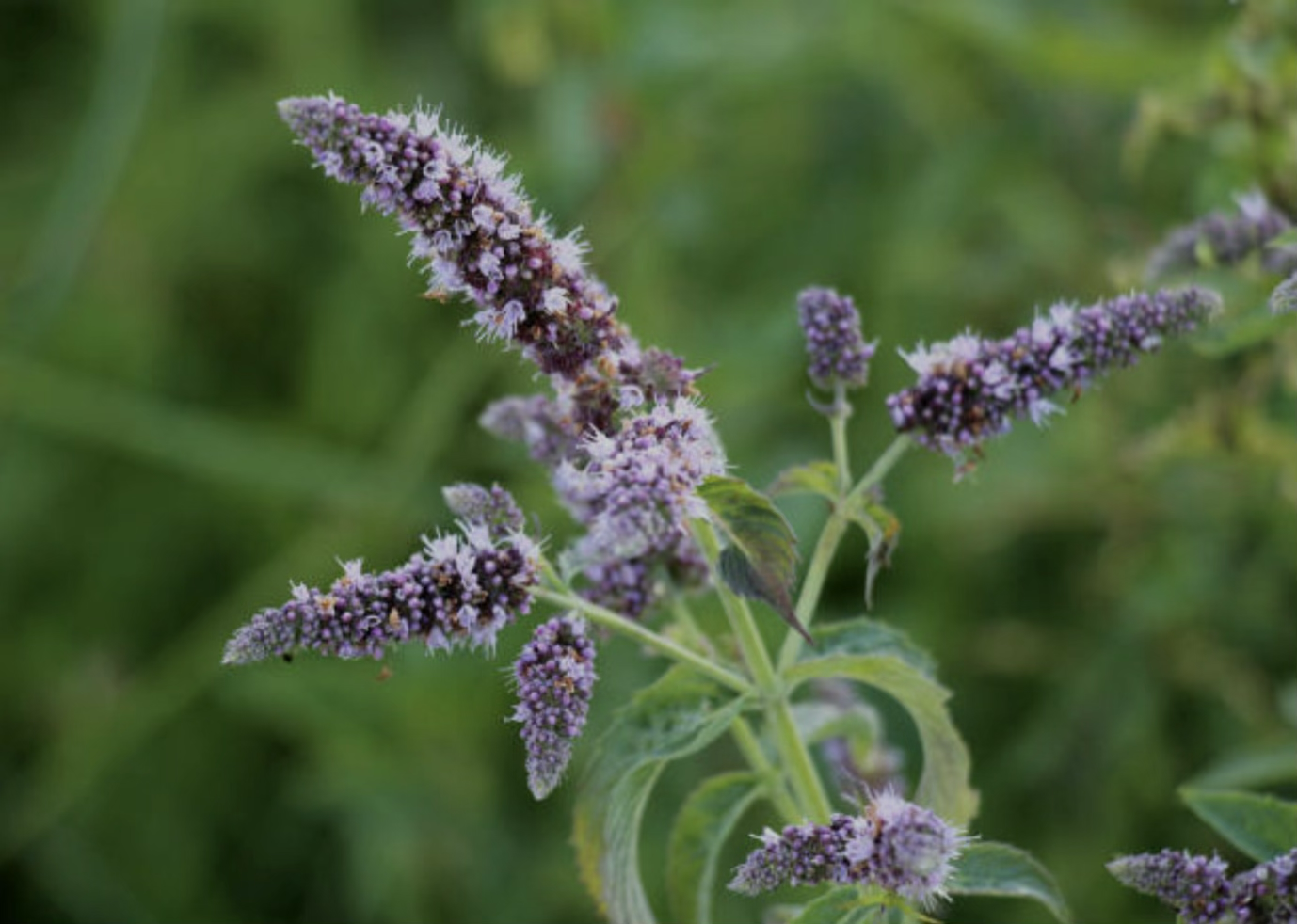
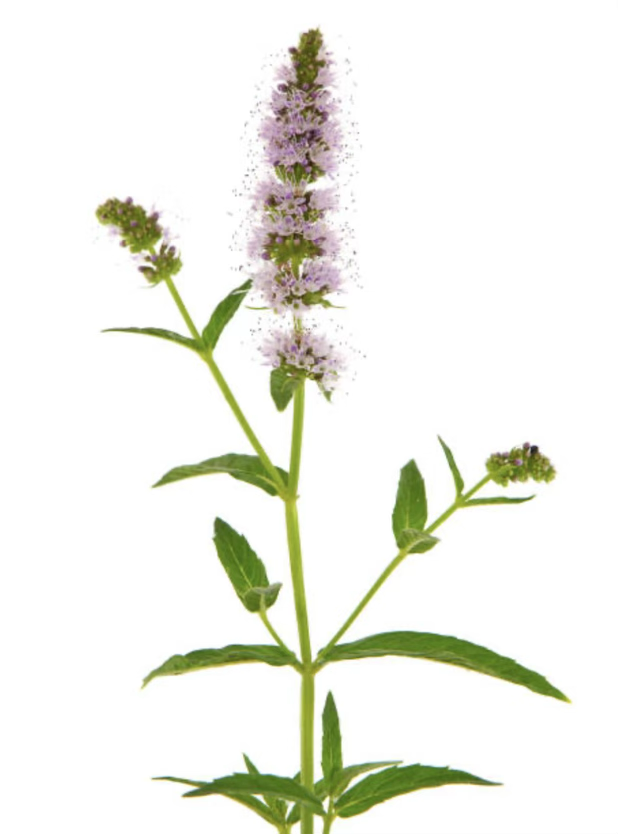
Mentha longifolia is a perennial aromatic herb belonging to the mint family (Lamiaceae), widely distributed across Europe, Africa, and Asia. It grows in damp environments such as riverbanks and meadows.
Like other mint species, it is rich in volatile oils and polyphenols, giving it both culinary and medicinal value. Compared to peppermint (Mentha piperita), it is generally more rustic, wild, and chemically variable, with higher levels of compounds like pulegone.
Did you know?
- Wild mint has been used since ancient Greek and Roman times for digestion and hygiene.
- It was traditionally scattered on floors for its fragrance and insect-repelling properties.
- The genus Mentha is known for frequent hybridisation, which explains the chemical variability between plants.
Traditional uses
Across traditional medicine systems, Mentha longifolia has been used for:
Digestive system
- Indigestion
- Flatulence
- Stomach cramps
- Diarrhea
Respiratory system
- Coughs and colds
- Bronchitis
- Asthma (traditional use)
Women’s health
- Menstrual irregularities
- Delayed menstruation
Other uses
- Headaches
- Fever (as a diaphoretic)
- Parasitic infections
In Middle Eastern and North African traditions, it is commonly used as:
- A carminative
- An anti-nausea remedy
- An anthelmintic
Herbal actions
Drawing from both Mentha longifolia and broader mint-family energetics:
- Carminative
- Antispasmodic
- Antimicrobial
- Expectorant
- Diaphoretic
- Mild nervine
- Digestive stimulant
- Antioxidant
How does it work?
The medicinal effects of Mentha longifolia are largely due to its essential oils and polyphenolic compounds.
Volatile oils
- Relax smooth muscle → reduces gut spasms
- Stimulate bile flow → improve digestion
- Act as antimicrobial agents
Polyphenols
- Provide antioxidant protection
- Reduce inflammation
- Support immune response
Like other mints, it exerts a dual action:
- Stimulating digestion while
- Relaxing tension in smooth muscle
Research
Modern research supports many traditional uses:
Antimicrobial activity
Studies show activity against bacteria, fungi, and parasites, supporting traditional use in infections.
Anti-inflammatory and antioxidant effects
High levels of flavonoids contribute to reducing oxidative stress.
Gastrointestinal effects
Demonstrates antispasmodic and anti-diarrheal properties, relevant to IBS and digestive discomfort.
Respiratory benefits
Essential oils show bronchodilatory and expectorant effects.
Neuropharmacological effects
Mild sedative and analgesic properties have been observed.
Active constituents
Essential oils
- Pulegone (major constituent)
- Menthone, isomenthone
- Menthol
- 1,8-cineole
- Borneol
Flavonoids
- Apigenin
- Luteolin
- Eriodictyol derivatives
Other compounds
- Phenolic acids
- Terpenoids
- Cinnamic acid derivatives
These compounds contribute to its:
- Antimicrobial
- Anti-inflammatory
- Antispasmodic effects
Indications
- Indigestion and bloating
- Irritable bowel syndrome
- Coughs, colds, bronchitis
- Menstrual irregularities
- Mild infections
- Headaches
Parts used
- Leaves
- Flowering aerial parts
Preparations
- Infusion (herbal tea)
- Tincture
- Essential oil (used cautiously)
- Fresh herb (culinary use)
Dosage
(Based on traditional use and extrapolation from mint species)
- Infusion: 1–2 teaspoons dried herb per cup, up to 3 times daily
- Tincture (1:5): 2–4 ml, up to 3 times daily
Safety
- Generally safe in food and tea amounts
- High doses may cause toxicity due to pulegone
- Essential oil should be used with caution
Avoid or use cautiously in:
- Pregnancy
- Breastfeeding
- Liver disease
- https://pmc.ncbi.nlm.nih.gov/articles/PMC4171855/
Summary
Mentha longifolia is a versatile medicinal mint with strong traditional use and growing scientific support. It is particularly valuable for digestive and respiratory health, combining aromatic stimulation with smooth muscle relaxation.
Like many Lamiaceae plants, it offers a broad spectrum of actions, making it a useful general remedy in both traditional and modern herbal practice.
**Medical & Wellness Disclaimer**
All content provided on this website is for informational and educational purposes only and is not intended as medical advice, diagnosis, or treatment. The information presented is derived from traditional practices, ethnobotanical records, and publicly available scientific research.
Statements about herbal ingredients and products have not been evaluated by regulatory authorities and are not intended to diagnose, treat, cure, or prevent any disease.
Always consult a qualified healthcare professional before using herbal products, particularly if you are pregnant, nursing, taking medication, or have a known medical condition.
The use of any information provided on this website is solely at your own risk. Individual results and responses may vary.