A composed monograph overview of sources cited. Please see disclamer **
Quick overview
- Botanical name: Cyclopia spp. (commonly Cyclopia intermedia, C. subternata)
- Common names: Honeybush
- Family: Fabaceae (Legume family)
- Parts used: Leaves, stems, flowers
- Key actions: Antioxidant, mild expectorant, phytoestrogenic, nervine, digestive
Key benefits
- Rich in antioxidants
- Supports respiratory health
- Gentle calming effect
- May support hormonal balance
- Caffeine-free alternative to tea
- Digestive soothing
What is Honeybush?
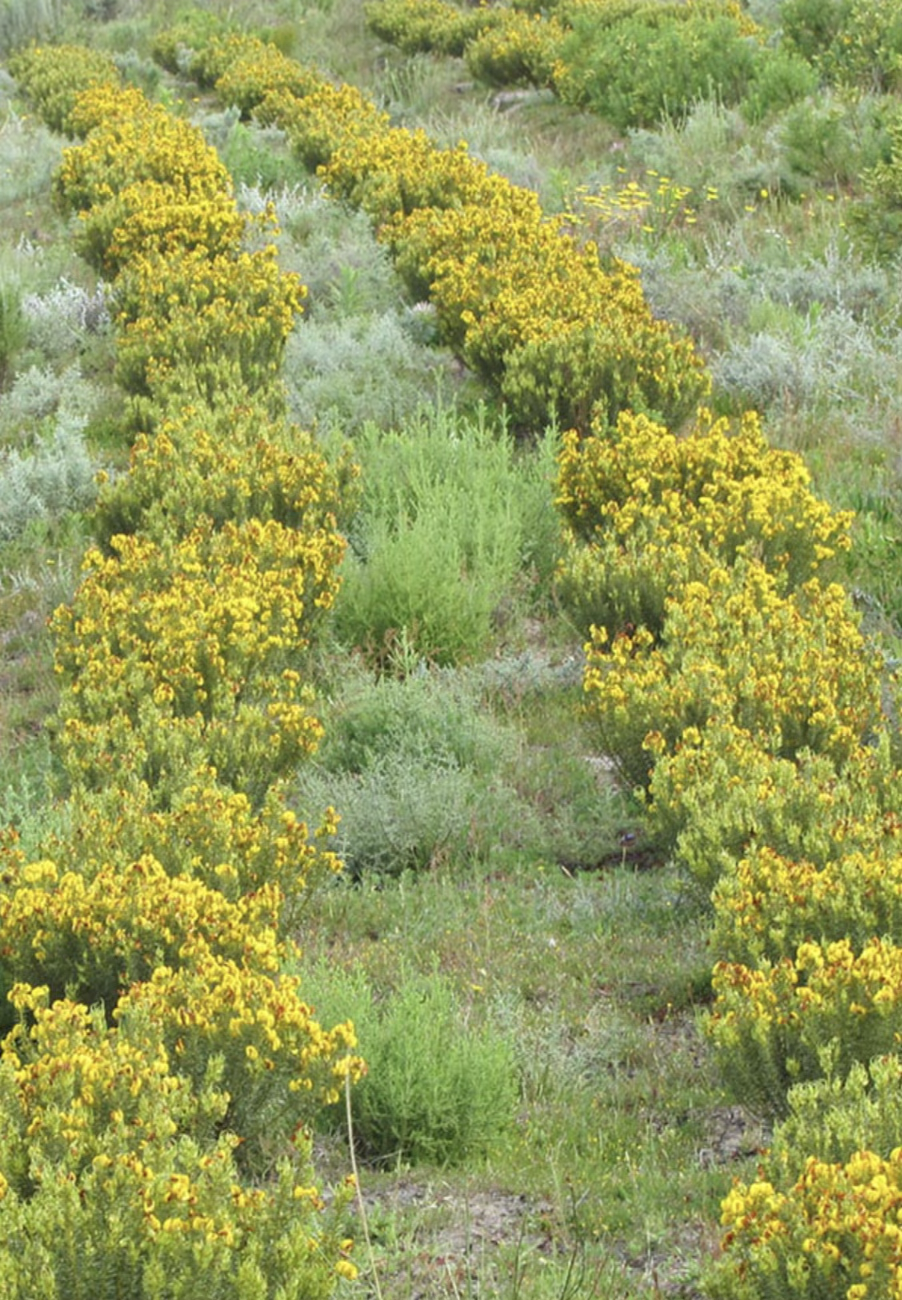
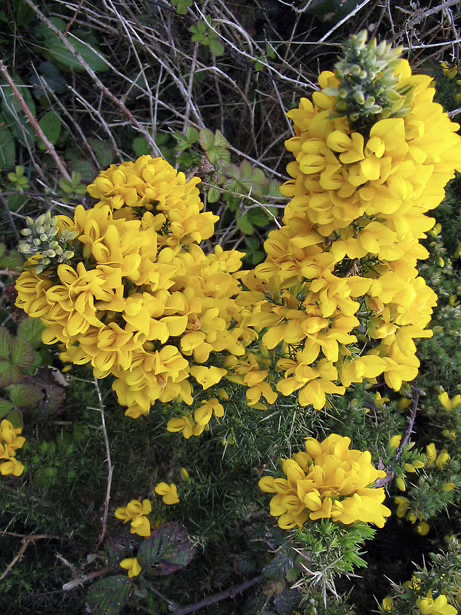
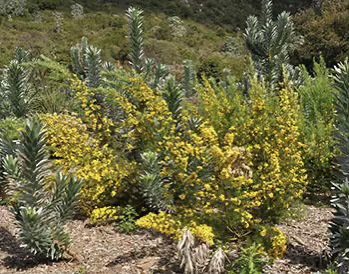
Honeybush refers to several species within the Cyclopia genus, endemic to the Western and Eastern Cape of South Africa. The plant is named for its sweet, honey-like aroma, especially when fermented.
It belongs to the Fabaceae family, which includes many medicinal plants rich in:
- Polyphenols
- Flavonoids
- Isoflavones (often phytoestrogenic)
Traditionally consumed as a herbal tea, honeybush is valued for both its nutritional and medicinal properties.
Did you know?
- Honeybush has been used since at least the early 19th century as a tonic tea.
- It is often compared to rooibos but has a naturally sweeter taste.
- It contains unique compounds such as mangiferin, a potent antioxidant.
Traditional uses
Respiratory system
- Coughs
- Catarrh
- Mild chest complaints
Digestive system
- Indigestion
- Loss of appetite
Women’s health
- Menopausal symptoms
- Hormonal balance (traditional use)
General tonic
- Weakness and fatigue
- Recovery support
Herbal actions
- Antioxidant
- Mild expectorant
- Phytoestrogenic
- Nervine (gentle calming)
- Digestive
- Antimicrobial (mild)
How does it work?
Polyphenols & xanthones
- Mangiferin and hesperidin → strong antioxidant activity
- Reduce inflammation and oxidative stress
Isoflavones
- Mild phytoestrogenic effects
- Support hormonal modulation
Volatile compounds
- Contribute to aroma and mild respiratory benefits
Research
Antioxidant activity
Honeybush is rich in polyphenols with strong antioxidant effects:
https://pmc.ncbi.nlm.nih.gov/articles/PMC6267485/
Phytoestrogenic effects
Studies suggest estrogen-like activity relevant to menopausal support:
https://pubmed.ncbi.nlm.nih.gov/20347944/
Anti-inflammatory & metabolic effects
Demonstrates anti-inflammatory and potential metabolic benefits:
https://pmc.ncbi.nlm.nih.gov/articles/PMC6267485/
Active constituents
- Mangiferin (key compound)
- Hesperidin
- Isomangiferin
- Flavonoids
- Isoflavones
- Phenolic acids
Indications
- Mild respiratory complaints
- Menopausal symptoms
- Digestive discomfort
- General wellbeing and antioxidant support
Parts used
- Leaves
- Stems
- Flowers
Preparations
- Infusion (tea)
- Decoction
- Fermented herbal tea
Dosage
- Infusion: 1–2 tsp per cup, up to 3–4× daily
Safety
- Generally very safe
- No caffeine
- Limited contraindications
Cautions
- Use cautiously in hormone-sensitive conditions
Summary
Honeybush is a gentle, nourishing South African herbal tea with antioxidant and mild hormonal support properties. It is especially suited for long-term daily use as a tonic.
Medical & Wellness Disclaimer
All content provided on this website is for informational and educational purposes only and is not intended as medical advice, diagnosis, or treatment. The information presented is derived from traditional practices, ethnobotanical records, and publicly available scientific research.
Statements about herbal ingredients and products have not been evaluated by regulatory authorities and are not intended to diagnose, treat, cure, or prevent any disease.
Always consult a qualified healthcare professional before using herbal products, particularly if you are pregnant, nursing, taking medication, or have a known medical condition.
The use of any information provided on this website is solely at your own risk. Individual results and responses may vary.