Quick overview
- Botanical name: Agathosma betulina
- Common names: Buchu, round-leaf buchu
- Family: Rutaceae (Citrus family)
- Parts used: Leaves
- Key actions: Antimicrobial, diuretic, anti-inflammatory, urinary antiseptic, digestive
Key benefits
- Supports urinary tract health
- Natural antimicrobial and antiseptic
- Anti-inflammatory effects
- Digestive support
- Traditionally used as a general tonic
- Aromatic stimulant
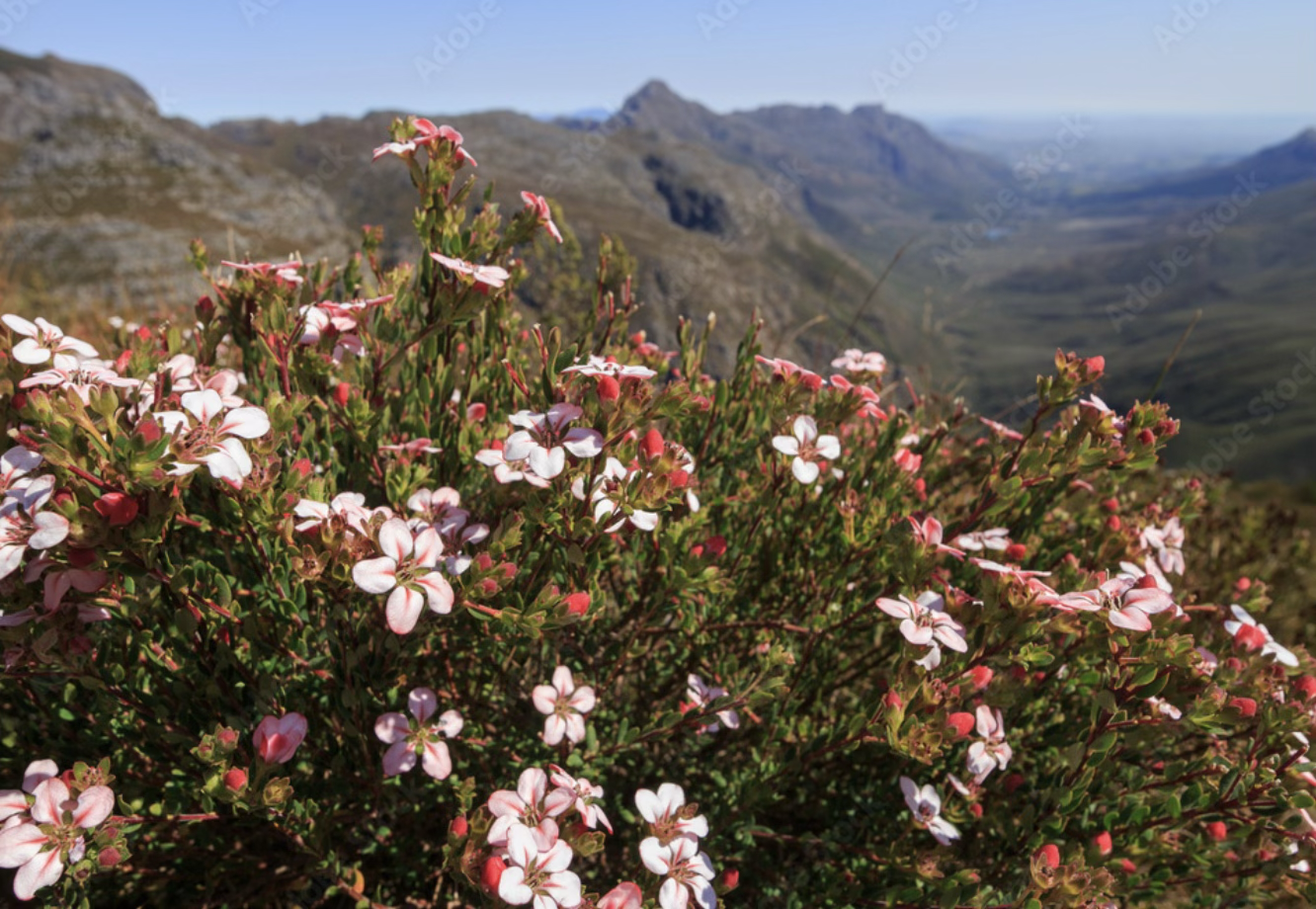
Two species of Agathosma endemic to the Western Cape mountains of South Africa and colloquially referred to as "Buchu"
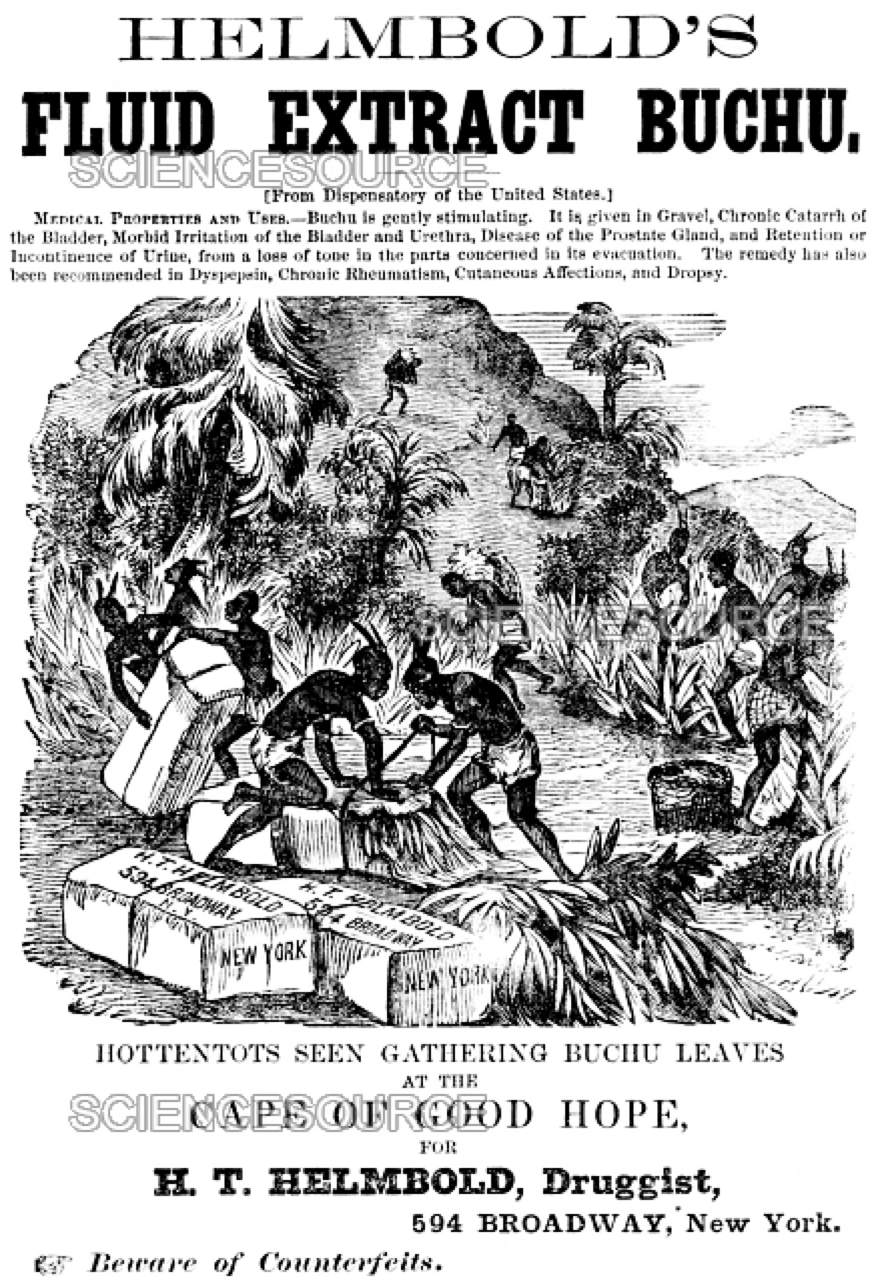
Credit: New York Public Library / Science Source
HELMOND'S FLUID EXTRACT BUCHU, 19TH CENTURY - IMAGE
What is Buchu?
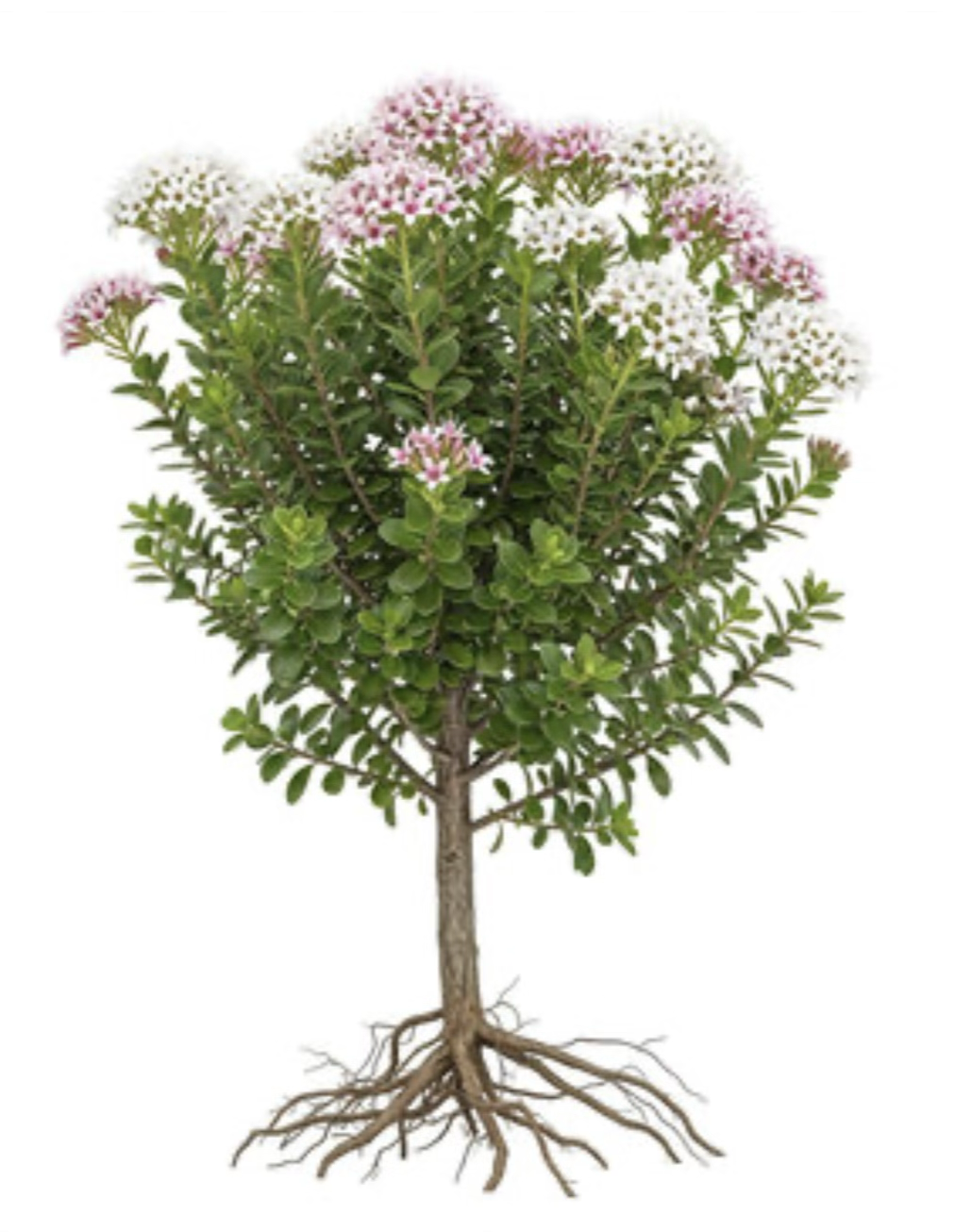
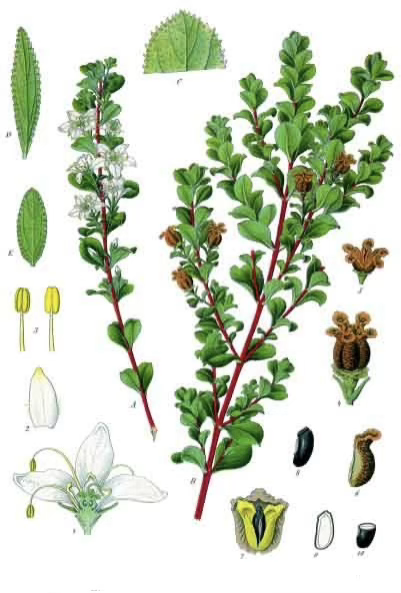
Agathosma betulina is a small aromatic shrub native to the Western Cape of South Africa, and one of the country’s most historically significant medicinal plants.
It belongs to the Rutaceae family, which includes citrus plants and is known for:
- Volatile oils rich in monoterpenes
- Strong antimicrobial and digestive actions
Buchu has been used for centuries by Khoisan peoples, later becoming an important export during the colonial era and widely used in European medicine.
Did you know?
- Buchu was once known as “Noble’s Tea” in Europe.
- It was historically used as a urinary antiseptic before antibiotics.
- The leaves contain diosphenol (buchu camphor), responsible for its characteristic smell and activity.
Traditional uses
Urinary system
- Urinary tract infections (UTIs)
- Bladder inflammation
- Kidney complaints
Digestive system
- Indigestion
- Stomach cramps
- Flatulence
Musculoskeletal
- Rheumatism
- Inflammatory conditions
Other traditional uses
- Wound healing
- General tonic
- Fever
Buchu has been widely used in South African traditional medicine for:
- Infections, inflammation, and urinary disorders
https://pmc.ncbi.nlm.nih.gov/articles/PMC5452224/
Herbal actions
- Antimicrobial
- Urinary antiseptic
- Diuretic
- Anti-inflammatory
- Carminative
- Mild digestive stimulant
How does it work?
Essential oils (primary activity)
- Provide antimicrobial and antiseptic effects
- Stimulate urine flow (diuretic action)
Diosphenol (buchu camphor)
- Key active compound
- Responsible for urinary antiseptic properties
Flavonoids
- Anti-inflammatory
- Antioxidant
Like many Rutaceae plants, buchu combines:
- Aromatic stimulation with
- Antimicrobial protection
Research
Antimicrobial activity
Buchu extracts show activity against various bacterial strains:
https://pmc.ncbi.nlm.nih.gov/articles/PMC5452224/
Anti-inflammatory effects
Demonstrates anti-inflammatory and antioxidant properties:
https://pmc.ncbi.nlm.nih.gov/articles/PMC5452224/
Urinary tract relevance
Traditionally used for UTIs, supported by antimicrobial and diuretic actions:
https://www.sciencedirect.com/science/article/pii/S0378874110002480
Active constituents
Essential oils
- Diosphenol (buchu camphor)
- Pulegone
- Limonene
- Menthone
Flavonoids
- Diosmin
- Hesperidin
Other compounds
- Tannins
- Resinous compounds
These contribute to:
- Antimicrobial
- Anti-inflammatory
- Urinary-supportive effects
Indications
- Urinary tract infections
- Bladder inflammation
- Digestive discomfort
- Rheumatic conditions
- Mild infections
Parts used
- Leaves
Preparations
- Infusion (tea)
- Tincture
- Fluid extract
Dosage
(Based on traditional use)
- Infusion: 1–2 tsp dried leaf per cup, up to 2–3× daily
- Tincture (1:5): 2–4 ml, up to 3× daily
Safety
- Safe in moderate doses
- Strong essential oil content requires caution
Cautions
- Avoid high doses (pulegone toxicity risk)
- Avoid in pregnancy
- Use cautiously in kidney conditions
Summary
Agathosma betulina is a powerful aromatic medicinal plant with a long-standing role in South African and Western herbal medicine, particularly for:
- Urinary tract health
- Infections
- Inflammation
Its combination of volatile oils and phenolic compounds makes it a targeted and effective remedy, especially for the urinary system.
References (research & sources)
- https://pmc.ncbi.nlm.nih.gov/articles/PMC5452224/
- https://www.sciencedirect.com/science/article/pii/S0378874110002480
**Medical & Wellness Disclaimer**
All content provided on this website is for informational and educational purposes only and is not intended as medical advice, diagnosis, or treatment. The information presented is derived from traditional practices, ethnobotanical records, and publicly available scientific research.
Statements about herbal ingredients and products have not been evaluated by regulatory authorities and are not intended to diagnose, treat, cure, or prevent any disease.
Always consult a qualified healthcare professional before using herbal products, particularly if you are pregnant, nursing, taking medication, or have a known medical condition.
The use of any information provided on this website is solely at your own risk. Individual results and responses may vary.